Riding the Wave or Wiping Out: How TRC20 Price Swings Can Make or Break Your Casino Session
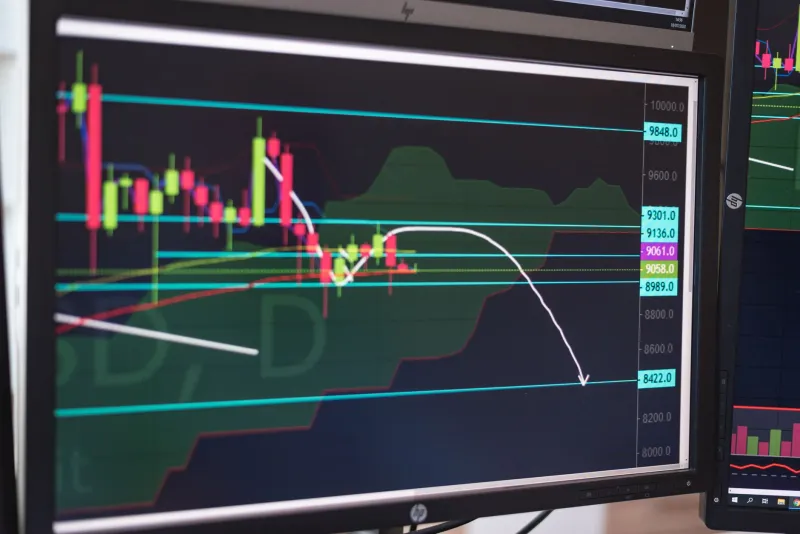
Most casino players obsess over odds, payout tables, and hot streaks. But if you're wagering with TRC20 tokens, there's an entirely separate game happening before you even load up a table — one played on price charts instead of felt. The volatility of crypto assets adds a layer of complexity that traditional gamblers simply don't deal with, and getting it wrong can cost you more than a bad night at the blackjack table.
Let's break down how price swings actually affect your real-world returns, what smart players do about it, and — maybe more importantly — the psychological rabbit holes that trip up even experienced crypto holders.
The Hidden Math Behind Your Deposit
Here's a scenario that plays out more often than most players admit. You buy $500 worth of TRC20 tokens when the price is sitting at a comfortable spot. You load them into your casino wallet, play a solid session, and walk away with 20% more tokens than you started with. Nice win, right?
Not necessarily. If the token price dropped 25% during your session, your 20% token gain actually translates to a net loss in dollar terms. You played well and still lost money. That's the hidden math that catches people off guard.
Conversely, if you deposit during a price dip and the token appreciates while you're playing, even a break-even session at the tables could end with you in the green when you cash out. The casino game and the crypto market are running simultaneously, whether you want them to or not.
Timing Your Entry: What the Charts Actually Tell You
Savvy TRC20 players treat their deposit timing with the same seriousness they'd give a stock purchase. That doesn't mean you need to be a full-time trader, but a few basic habits go a long way.
Watching 7-day and 30-day price trends before converting fiat to tokens gives you a rough sense of whether you're buying at a relative high or low. Tools like CoinMarketCap or TronScan's price history make this accessible even for casual players. If TRC20-based assets have spiked hard in the last 48 hours, depositing at that peak means any downward correction eats into your winnings before you've dealt a single card.
The flip side is also true: depositing during a dip — assuming you believe the token holds long-term value — means your casino bankroll benefits from any recovery. Think of it as buying chips when they're on sale.
That said, nobody times the market perfectly. Not professional traders, not crypto whales, and definitely not someone trying to figure out optimal bet sizing at the same time.
Withdrawal Windows: Don't Leave Money on the Table
Experienced players think about exit timing just as carefully as entry. If you've had a profitable session and your token balance is up, consider whether the current price represents a good conversion point back to a stablecoin or fiat.
One practical approach is partial withdrawal — pulling out your original deposit equivalent in dollar terms while leaving winnings in tokens. This locks in your principal, eliminates the risk of losing what you came with, and lets any remaining tokens ride the market. It's a middle-ground strategy that feels less like gambling and more like actual risk management.
Another tactic some players use is setting a personal price target before they start. If TRC20 tokens hit a certain price level during or after their session, they cash out regardless of how the gaming went. This removes emotion from the equation — a big deal when you're already in the heightened mental state that gambling produces.
The Psychological Traps Are Real
Here's where things get genuinely dangerous. Volatility doesn't just create financial risk — it warps decision-making in ways that are hard to recognize in the moment.
Consider the "recovery mindset" trap. A player deposits, the token price drops 15%, and now they feel like they need to win more at the tables just to break even on their original dollar investment. This pressure leads to bigger bets, longer sessions, and the kind of tilt that casinos — traditional or blockchain-based — have always benefited from.
There's also what behavioral economists call "mental accounting" distortion. When your tokens are up in value, those gains start to feel like house money — profits you didn't really earn through skill. This inflated sense of cushion encourages looser play, higher stakes, and decisions you'd never make with "real" money. Except it is real money. The blockchain doesn't care how you mentally categorize it.
Perhaps the trickiest trap is the compounding optimism loop. Token goes up, you're winning at the tables, everything feels aligned — so you increase your bets and extend your session well past your original plan. When both trends reverse (and they do), the losses compound in both directions simultaneously.
Building a Framework That Keeps You Sane
None of this means you should avoid TRC20 gaming because of volatility. It means you should approach it with a clear-eyed framework.
Set a dollar-denominated budget, not a token-denominated one. Decide before you deposit what you're willing to lose in actual dollars, then figure out the token equivalent at current prices. Stick to that number regardless of what happens to the price mid-session.
Track your sessions in fiat terms. Keeping a simple log of what you deposited in dollars and what you withdrew in dollars cuts through the noise of token price fluctuations and gives you an honest picture of your real performance over time.
Finally, treat the market game and the casino game as separate decisions. Don't let a token price drop pressure you into gambling more aggressively, and don't let a price spike tempt you into treating your casino balance as investment capital.
Volatility is neither your friend nor your enemy at TRC20 Casino — it's a variable. The players who handle it best are the ones who plan for it rather than react to it.